Event portfolios traditionally included recognizable guest photos, corporate branding, and venue details. Recent privacy expectations changed what planners can display without explicit consent. These adjustments affect how planners demonstrate their capabilities while respecting attendee privacy.
Guest faces now require documented consent
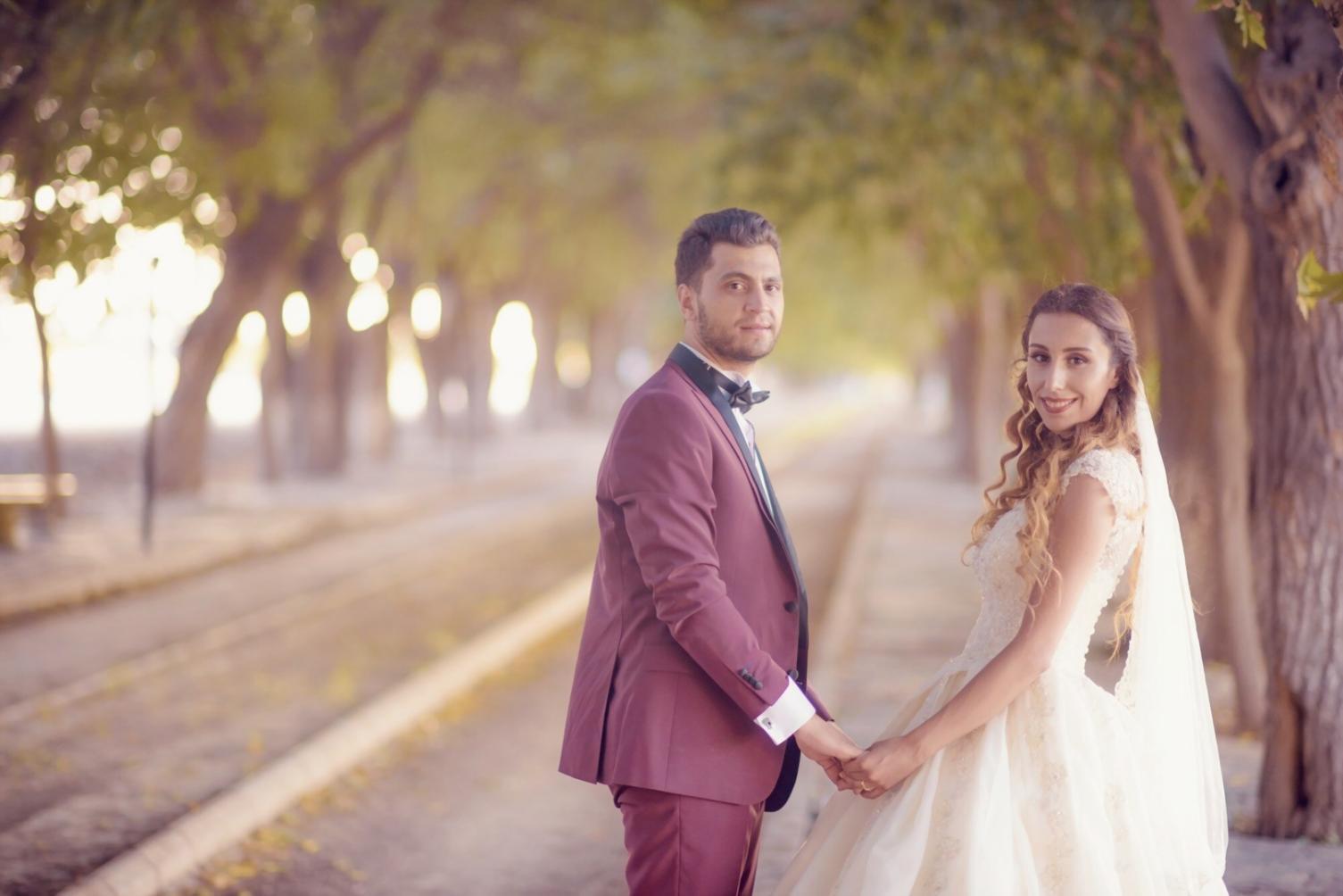
Planners obtain signed releases before photographing identifiable individuals. Events with hundreds of attendees make comprehensive consent collection impractical. Many portfolios now feature wide shots, detail photography, and images where faces are not clearly visible. This shift required photographers to adjust their shooting approach during events.
Corporate branding appears only with written approval
Company logos, branded materials, and corporate event themes cannot appear in portfolios without client authorization. Some corporations prohibit external disclosure of their events entirely. Planners now negotiate portfolio rights during contract discussions rather than assuming permission after successful execution.
Venue names removed from public portfolios
Venues sometimes request anonymity to prevent competitors from identifying their client base. Portfolios describe venue types and capacities without naming specific locations. This practice protects venue relationships while still demonstrating the planner's experience with various space categories.
Budget information presented in percentage ranges
Specific dollar amounts rarely appear in portfolios anymore. Planners show budget allocation percentages or relative cost categories instead. This approach provides useful planning information without disclosing confidential financial details that clients consider proprietary.
Attendee testimonials use first names only
Full names and titles disappeared from most testimonials. Planners use first names with general descriptors like corporate client or nonprofit director. This maintains testimonial credibility while limiting the personal information shared publicly.
Time delays between event execution and portfolio publication
Many planners wait six to twelve months before adding recent events to portfolios. This delay ensures clients have time to use their event photography internally before it appears in external marketing materials.